When Is the Best Time to Visit a Clothing-Optional Resort in Mexico?
For the Caribbean coast, including Xcalak and the Costa Maya, the sweet spot is generally late November through May: expect sunny days, lower humidity, calmer seas and strong underwater visibility. Summer is hotter, with brief tropical showers; September and October are the quietest months, but they also fall within peak hurricane season, so timing depends on your priorities.
The dry-season sweet spot: late November through May
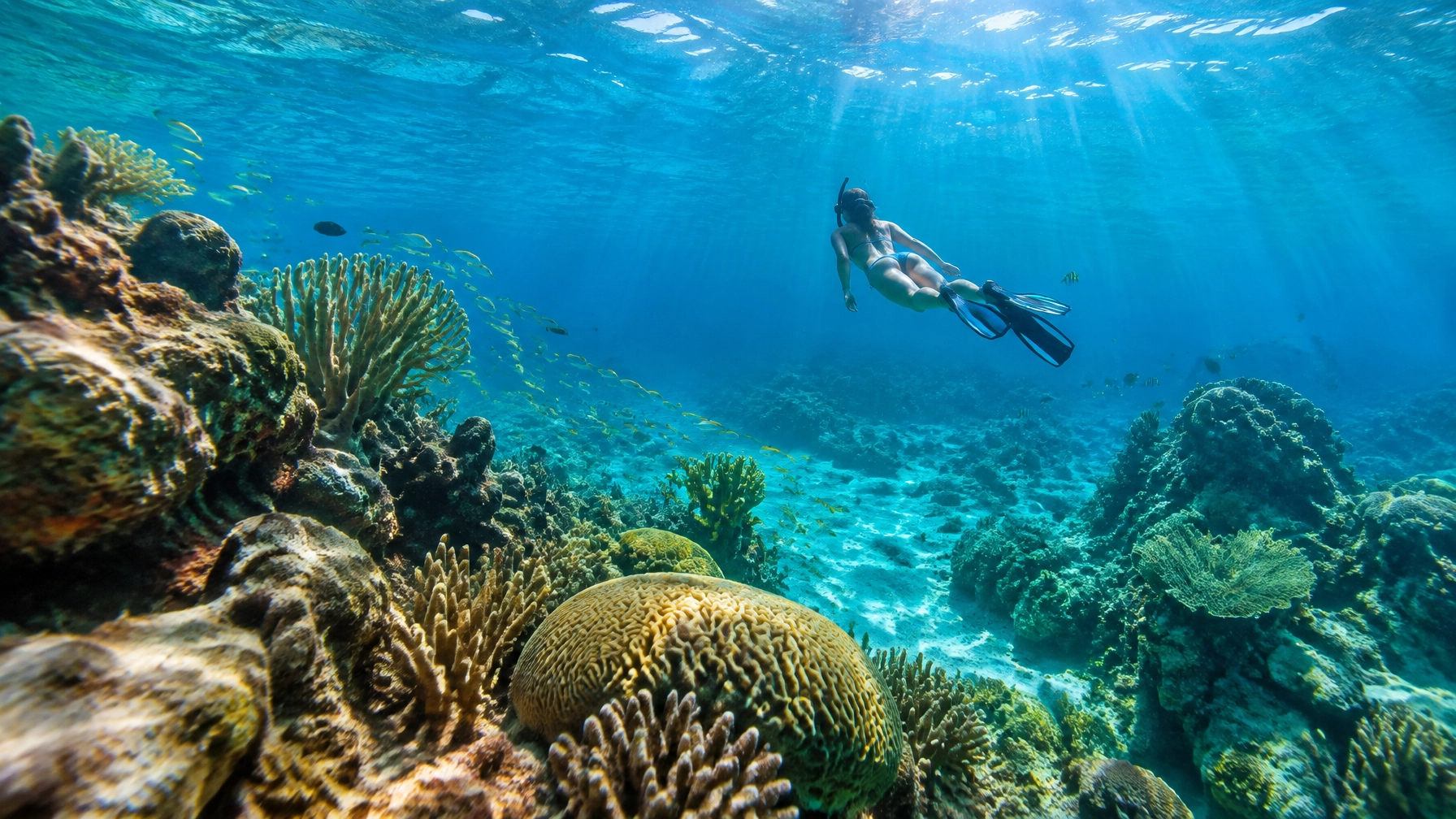
For many travelers, the dry season is the easiest time to plan a clothing-optional getaway on the Costa Maya. Days are generally sunnier and less humid than in summer, and calmer sea conditions can make it a rewarding season for snorkeling and diving.
At Playa Sonrisa in Xcalak, the resort’s seasonal guide describes February through May as the “gold standard,” with low humidity, daytime highs typically in the low 80s F (about 27–28 C), and strong reef visibility. It also notes that this period is prime time for fly-fishing. These are seasonal patterns, not guarantees: weather and water conditions can change from week to week.
November through January can also suit couples looking for cooler, less humid conditions. The resort’s guide notes that sargassum has historically been minimal in these months, though seaweed levels vary from year to year and can differ between beaches.

If time in the water is a priority, the clearer conditions often make the dry season a natural choice. But there’s plenty to enjoy on a naturist vacation even if you don’t spend every day snorkeling: a quiet beach, a book in the shade, or a slow morning can be just as much the point. For a sense of the setting, read our guide to enjoying a clothing-optional beach in the Costa Maya.
Summer: warmer water, with a chance of showers
June through August brings warmer, more humid weather and warmer water. Short tropical showers are part of the seasonal picture; they may pass quickly, but it’s sensible to leave some flexibility in your plans rather than expect every day to be uninterrupted sunshine.
For travelers who enjoy warm-water activities, summer can have its appeal. Playa Sonrisa’s seasonal guide identifies June through August as tarpon season, and notes that the water is warmer. The resort operates on solar power, but the weather is still the weather: seasonal rain, wind, and sea conditions can affect what feels comfortable on a given day.
Summer can be a fit if you’re comfortable with heat and humidity and are happy to balance water activities with time in the shade. Check conditions close to your trip, especially if reef visibility or a particular activity is central to your plans.

September and October: quieter, with more weather uncertainty
The resort’s seasonal guide identifies September and October as Xcalak’s quietest months. For couples whose priority is a more peaceful, low-key escape, that quieter period may be appealing.
The trade-off is hurricane-season risk. The Atlantic hurricane season runs from June through November, and September and October are within its peak period. That doesn’t mean a storm will affect your trip, but it does mean weather uncertainty is higher than in the drier months. If you travel then, consider travel insurance that covers weather-related disruptions and read the terms carefully. Monitor forecasts and follow relevant local guidance as your dates approach.

If dependable beach weather is your top concern, the quieter season may not be the best match. If solitude matters more and you can be flexible, it’s worth weighing the pros and cons before choosing your dates.
Sargassum: plan for variability, not guarantees
Sargassum levels on Caribbean beaches vary by year, season, wind, and local currents. The resort’s seasonal guide notes historically minimal sargassum from November through January, making winter a promising time if you hope for cleaner shorelines. Still, no month can guarantee a seaweed-free beach, and conditions may differ between nearby locations.
For context on the local issue and what to consider, visit Playa Sonrisa’s sargassum guide. Check current, local conditions as your travel dates get closer rather than relying on a general seasonal forecast alone.
Choose dates that match your kind of naturist trip
There isn’t one perfect month for every couple. Think about what you most want from your stay:
- Sunshine and lower humidity: Look at the dry-season window, particularly February through May.
- Clear-water activities: The resort’s guide points to February through May for strong reef visibility; conditions still vary.
- Warmer water and tarpon season: Consider June through August, while keeping heat and showers in mind.
- A quieter escape: September and October are noted as the quietest months, but come with greater hurricane-season uncertainty.
- Historically lower sargassum: November through January may be a good starting point, without a guarantee of clear beaches.
Water temperatures in Xcalak generally range from about 78–84 F (25–29 C) over the year, according to the resort’s seasonal information. For first-time visitors, remember that the best vacation isn’t necessarily the hottest or sunniest one. A small, clothing-optional resort can feel especially appealing when you’re able to settle into the pace, whether that means snorkeling, relaxing in the shade, or simply enjoying the quiet together. For more planning context, see our ultimate guide to clothing-optional resorts in Mexico.
Frequently asked questions
What months have the least seaweed (sargassum) on the Costa Maya?
At Playa Sonrisa, November through January are historically noted as months with minimal sargassum. It varies annually and locally, so check current conditions before traveling.
Is hurricane season a bad time for a naturist vacation in Mexico?
Not necessarily, but it brings more weather uncertainty. September and October are within the Atlantic hurricane season and are noted as Xcalak’s quietest months. Consider your flexibility and travel-insurance coverage when deciding.
What is the water temperature in Xcalak year-round?
Playa Sonrisa’s seasonal information puts the typical range at roughly 78–84 F (25–29 C), with warmer water in summer.
When is Xcalak quietest?
The resort’s seasonal guide identifies September and October as the quietest months. They also carry greater hurricane-season risk than the drier months.
Which months are best for snorkeling around Xcalak?
February through May are noted in Playa Sonrisa’s seasonal guide for strong reef visibility. Visibility depends on changing local conditions, so it can’t be guaranteed on specific dates.
The best time to visit depends on whether you’re after dry-season comfort, warm summer water, or a quieter stretch of the year. If Xcalak sounds like the kind of peaceful, clothing-optional escape you’re looking for, explore Playa Sonrisa’s rooms and start planning your stay.