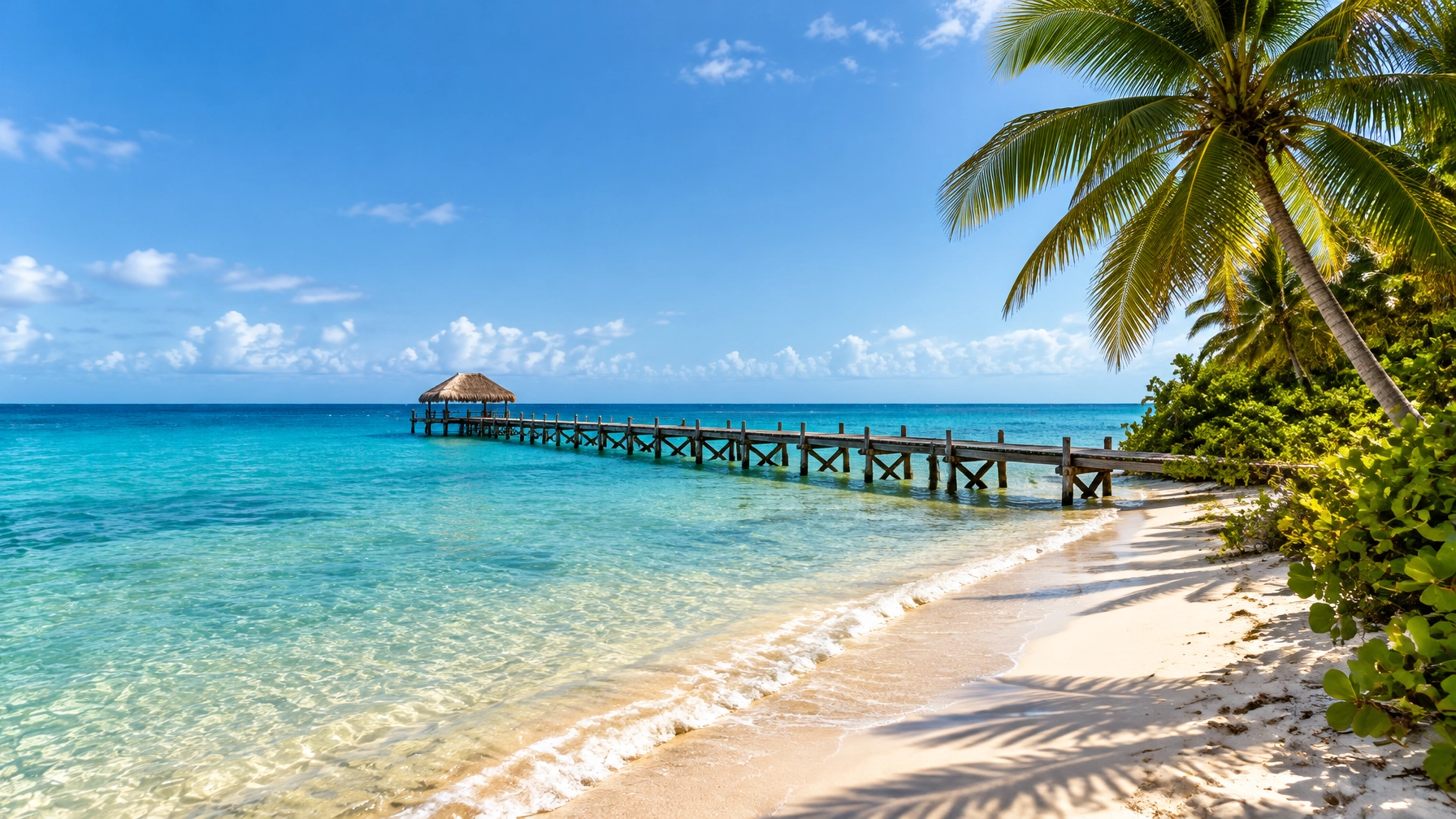
Naturist Vacations in the Caribbean: How to Choose Your Next Resort
Choosing among naturist vacations in the Caribbean comes down to a short list of practical questions: What are the clothing rules, how private is the setting, what atmosphere do you want, and how much travel planning does the destination require? Answer those before you book, and you’re much more likely to find a stay that feels right for you.
The Caribbean isn’t one uniform naturist destination. Properties differ in their clothing policies, social tone, dining options, and degree of seclusion. “Naturist,” “nudist,” and “clothing-optional” can mean different things from one place to another, so it pays to check the details rather than relying on a label.
Here’s a straightforward framework for choosing your next clothing-optional Caribbean vacation.
1. Confirm exactly where clothing is optional
Ask for the current clothing policy in writing. Is clothing optional across the property, or only in designated areas? Are there any nude-required spaces? What applies at the beach, pool, restaurant, bar, and during activities?
A clothing-optional setting generally gives guests a choice. A nude-required zone is different: guests are expected to follow that area’s rules. Dining areas may have separate dress requirements, too. Don’t assume that a policy at the pool also applies indoors or at dinner.
If you’re comparing Caribbean nudist resorts, make a simple area-by-area checklist and ask the same questions of each property. Clear answers help you avoid surprises and choose an environment that suits your comfort level.
2. Ask about adults-only status and who the resort welcomes
“Couples-focused” and “adults-only” aren’t interchangeable terms. If an adults-only setting is important to you, confirm the age policy directly. Also check whether the property is designed primarily for couples, welcomes solo naturists, or hosts a mix of travelers.
This is a basic fit question, not a judgment about one kind of trip being better than another. The goal is to understand who the resort is set up to welcome and whether that matches the vacation you have in mind.
3. Decide how much privacy you want
Privacy can mean several things: a quiet beach, a secluded setting, screened outdoor areas, or simply fewer people sharing the space. Ask whether the beach is private or shared, whether it’s visible from nearby public areas, and how guests are protected from unwanted photography.
Naturist etiquette is rooted in respect: don’t stare, make personal comments, touch others, or treat nudity as an invitation. Always follow the property’s photography rules, and never photograph another guest without their clear permission.
For a useful etiquette refresher, see the International Naturist Federation’s guidelines. You can also read our guide on how to be a naturist.

4. Match the atmosphere to your vacation mood
Some travelers want conversation, group activities, and a lively social calendar. Others want a hammock, a book, and long stretches of quiet. Neither is the “right” way to travel, but the difference can shape your whole stay.
Ask what a typical day feels like. Are activities scheduled or mostly self-directed? Is the property intimate or large? Is the atmosphere oriented toward relaxation, socializing, wellness, nightlife, or something else?
It’s also worth asking about the resort’s conduct expectations. Naturism is nonsexual; a clothing-optional environment does not imply consent, flirting, or sexual behavior. Look for clear communication that guests are expected to respect personal boundaries.
5. Check dining and everyday amenities
Dining can be one of the most practical differences between properties. Ask whether meals are included, which meals are available on-site, and whether restaurants require clothing. If you have dietary needs, confirm what the kitchen can accommodate before booking.
Then consider the basics that matter to your style of travel: Wi-Fi, drinking water, bar service, activities, and how easy it is to find meals or supplies nearby. A remote resort may offer an appealing escape from crowds, but fewer nearby options can also mean planning ahead.
At Playa Sonrisa, the stay includes a Caribe breakfast buffet, and Tiki Teal’s Bar & Grill offers on-site dining. To learn more about what the resort offers, explore the ultimate guide to clothing-optional resorts in Mexico.

6. Be realistic about remoteness and travel logistics
A remote location may mean more peace and fewer crowds, but it can also mean a longer transfer, limited nearby services, and less flexibility if your plans change. Before booking, check the full route, not just the flight. Confirm how you’ll get from the airport to the property, whether transfers need to be arranged in advance, and what happens if your arrival is delayed.
Look into local entry requirements and transportation details using official sources. If your trip includes separate flight, road, or ferry connections, leave a buffer rather than building a tight itinerary around every connection. Consider travel insurance that fits your plans, and keep important confirmations accessible offline.
Pack for the journey as well as the resort. You may need clothes for airports, transportation, shops, or restaurants with their own dress expectations, even if you expect to spend much of your stay clothing-free.
7. Book with the details in writing
For popular Caribbean destinations, it’s sensible to plan ahead rather than assume your preferred dates or room will be available at the last minute. Before you pay, make sure you understand the cancellation terms, deposit schedule, what’s included, and any transfer arrangements.
A few useful questions to ask:
- What are the current clothing rules in each guest area?
- Are there nude-required areas or clothing-required dining spaces?
- Is the property adults-only, and who is welcome to stay?
- How private is the beach and accommodation?
- What is the photography policy?
- Which meals and amenities are included?
- How do transfers work, and what are the cancellation terms?
Save the answers alongside your booking confirmation. That way, you can plan with the property’s actual policies, not assumptions based on a website label or a social media photo.
Consider a quieter corner of Mexico’s Caribbean coast
If you’re looking for a small, tranquil, couples-focused clothing-optional resort, Playa Sonrisa is in Xcalak, Costa Maya, on Mexico’s western Caribbean coast. It offers a private-beach setting with space for up to 14 guests, or seven couples, at a time. The atmosphere is deliberately intimate and relaxed. A contrast to a large, busy resort.
The property is off the beaten path, so travel logistics deserve a little attention. In return, guests come to a quieter stretch of coast for barefoot dining, a beachside pace, and the freedom to spend the day actively or simply unwind. Playa Sonrisa also runs on solar panels and battery power.
Want to explore whether it fits your plans? Take a look at rooms, or read more about why a naturist retreat in Mexico might be right for you.
Choose the place that fits, not just the label
The best naturist vacations in the Caribbean aren’t necessarily the most famous or the most secluded. They’re the ones whose policies, privacy, atmosphere, and travel demands match what you want from your time away.
Get the practical questions answered first. Then you can focus on the good part: a relaxed, respectful naturist getaway that feels comfortable from the moment you arrive.